Ice is Forming on My Roof. Is This a Problem?
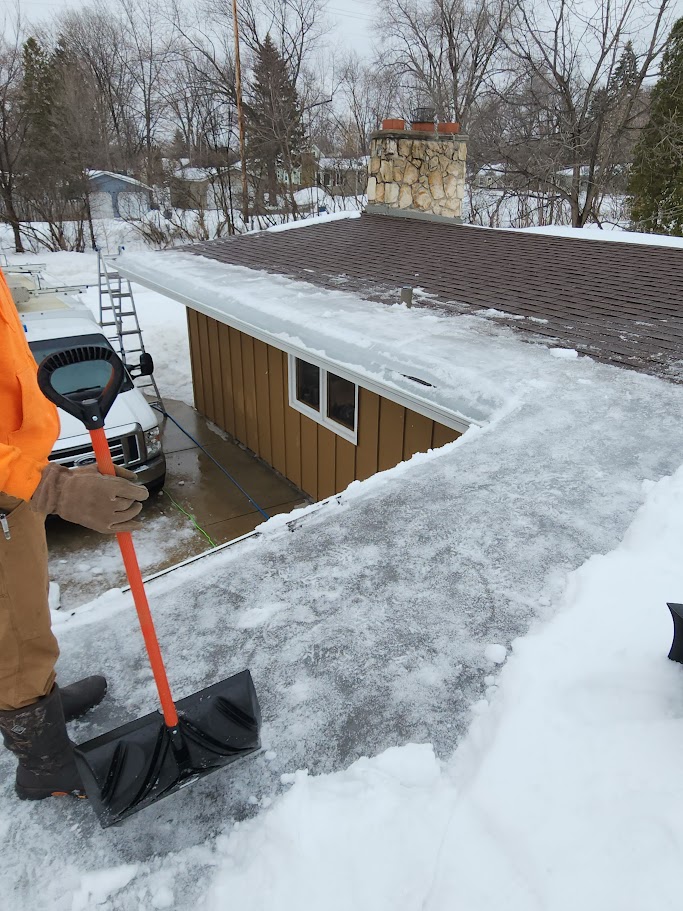
Are you noticing ridges of ice forming along your roof edges? This looks harmless from the ground, but can lead to serious structural issues with your home.
The presence of this ice is caused by something called an ice dam. Our crews have seen firsthand how ice dams affect homes throughout the Twin Cities region. In this guide, we’ll walk you through everything you need to know about ice dams: how they form, why they’re such a big deal in Minnesota, the damage they can cause, and most importantly, how to prevent and address them safely.
What are Ice Dams? How Do They Form?
An ice dam is a buildup of ice that forms at the edge of your roof, creating a barrier that prevents melting snow from draining properly. The water gets trapped behind this dam, and instead of flowing into gutters and away from your home, it can seep under shingles and into your house.
How Ice Dams Form
- Snow accumulates on your roof after a storm.
- Heat from inside your home escapes through the attic and warms the upper parts of the roof, causing the snow there to melt even when outside temperatures are below freezing. This meltwater trickles down the roof slope toward the colder eaves (the overhanging edges) and gutters, where there’s no heat rising from below.
- As the water reaches these colder areas, it refreezes, forming a ridge of ice. Over time, with repeated freeze-thaw cycles common in Minnesota winters, this ridge grows thicker and taller. More meltwater pools behind it, increasing the pressure and forcing water upward under the shingles.

What causes uneven roof temperature?
Several factors contribute to uneven roof temperatures:
- Poor attic insulation: Without enough insulation, warm air from your living spaces rises into the attic and heats the roof deck.
- Inadequate ventilation: Attics need proper airflow to stay cold and dry.
- Air leaks: Gaps around light fixtures, chimneys, or attic hatches allow heated air to escape upward.
- Heavy snowfall and fluctuating temperatures: Minnesota’s classic pattern of snow followed by mild days and then deep freezes sets the stage perfectly.
In our experience in Minneapolis (and nearby suburbs like Edina, Bloomington, and Plymouth), homes with complex rooflines—such as valleys, dormers, or multiple levels—are especially prone to this issue because heat can pool unevenly.
Why Ice Dams Are a Major Concern in Minnesota (especially the Twin Cities)

Our state gets plenty of snow. On average, the Twin Cities sees over 50 inches annually, with some winters dumping much more. Combined with temperatures that hover around freezing for days or weeks, conditions are ideal for ice dams. Unlike regions with consistently sub-zero weather (where snow stays frozen) or milder climates (with quicker melts), the Minneapolis metro’s freeze-thaw cycles accelerate the problem.
Ice dams also cause other issues related to water, including:
- Water backed up by ice dams leaks into your home, soaking insulation, drywall, and ceilings. This often causes stains or bubbling paint.
- It promotes the growth of mold and mildew in attics and walls, which can negatively impact indoor air quality and health.
- It damages roofing materials, leading to warped shingles, rotted decking, or even pulled-off gutters from the weight.
- In severe cases, the sheer mass of ice and trapped water adds a tremendous load to your roof structure, raising the risk of sagging or collapse.
We’ve responded to calls where homeowners first notice the issue from water dripping inside during a thaw, only to discover extensive hidden damage. Repair costs can quickly climb into the thousands, and insurance may not cover everything if preventive steps weren’t taken.
One winter a couple of years ago, after a particularly snowy stretch, many homes in the metro area dealt with widespread leaks. It’s a reminder that ice dams aren’t rare and they’re a seasonal reality we all need to prepare for.
How to Prevent Ice Dams

The best defense against ice dams is stopping them before they start. Focus on creating a “cold roof” that stays uniformly chilly.
- Improve Attic Insulation: Aim for at least R-50 in Minnesota attics. This keeps heat inside your living space where it belongs.
- Seal Air Leaks: Caulk gaps around pipes, wires, recessed lights, and the attic hatch. Expanding foam works well for larger openings.
- Enhance Ventilation: Ensure soffit and ridge vents allow cold air to flow through the attic, carrying away any warmth or moisture.
- Keep Gutters Clean: Clogged gutters trap water and exacerbate freezing.
- Remove Snow Promptly: After big storms, rake snow off the roof edges to reduce the “fuel” for melting.
Long-term upgrades like adding ice and water barriers during a roof replacement provide extra protection. If your home is older, an energy audit can pinpoint issues.
Ice Dam Removal: Why Low-Pressure Steam and Careful Shoveling Are Essential

If an ice dam has already formed and leaks are occurring, quick action is crucial. DIY methods like chipping with axes or using salt/chemicals often do more harm than good, damaging shingles or polluting runoff.
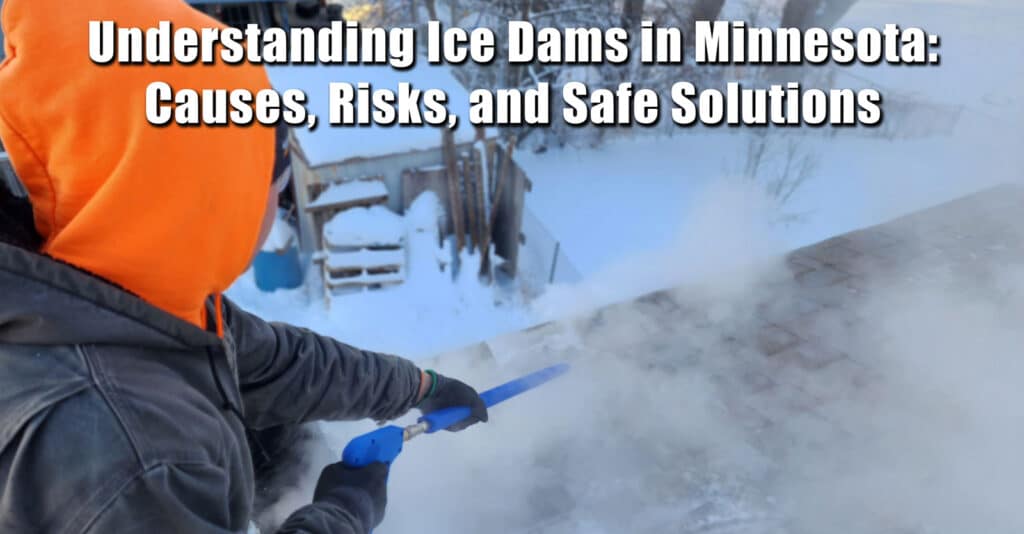
The safest, most effective approach is professional removal using low-pressure hot steam. This method melts channels through the ice gently, allowing water to drain without scraping or high pressure that could tear roofing materials.
At The Kingdom Builders, we use a specialized low-pressure hot steam machine designed specifically for this. The steam cuts through thick ice efficiently, creating pathways for trapped water to escape. It’s precise, minimizing risk to your shingles, unlike pressure washers, which many mistakenly use but can force water deeper or gouge surfaces.
We also carefully shovel snow off roofs to prevent further buildup. Our team uses roof-friendly tools and techniques, working from the ground when possible or with proper safety harnesses on the roof. We avoid walking unnecessarily on frozen surfaces and never use sharp tools that could puncture membranes.
This combination addresses the immediate threat while reducing the chances of recurrence during the same winter.
Why Choose Professional Help in the Minneapolis Area
Ice dams are part of life in Minnesota, but they don’t have to be a source of major home costs. By understanding how they form, taking preventive steps, and knowing when to call experts for safe removal, you can safeguard your home and enjoy winter worry-free.
Attempting removal yourself can be dangerous for both you and your roof. Professionals have the equipment, insurance, and experience to handle it safely. We recommend using a professional service to deal with ice dams, and The Kingdom Builders is the #1 option for ice dam removal if you live in the Minneapolis metro area. We’re here to help keep your roof strong and your home dry through even the toughest Minnesota winters.

Josh Clark
Josh Clark is a Project Manager for The Kingdom Builders. He has over a decade of experience in the roofing industry, overseeing crews, scheduling projects, and doing marketing efforts.